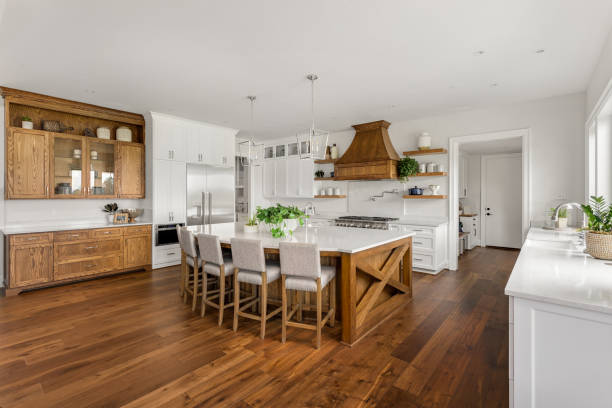
A home does not need a complete makeover to feel better. Sometimes a few thoughtful changes can make rooms more comfortable, organised, and useful. Whether it is improving storage, refreshing an old room, or simply fixing things that have been ignored for too long, small home improvement projects can have a noticeable effect on everyday living.
The trick is to focus on improvements that actually solve a problem instead of changing things just because a particular design trend is popular. A stylish room is nice, but a home that works well for the people living in it is even better.
Start by Looking at Everyday Problems
Before buying furniture or choosing new decorations, take a walk around the house and notice what feels inconvenient. Maybe the entrance becomes cluttered easily, the kitchen does not have enough storage, or a bedroom feels poorly organised.
These observations can help determine which projects deserve attention first. Fixing a small but persistent problem can sometimes improve daily life more than an expensive decorative upgrade.
It is also useful to consider how a project will fit into the existing home. Improvements should ideally make the space more practical without creating new maintenance problems.
Make Storage Work Smarter
Storage is one of those things that people usually appreciate more after they have lived with a space for a while. A room can look messy even when there are not actually too many belongings simply because everything lacks a proper place.
Adding shelves, storage boxes, wall-mounted organisers, or furniture with built-in storage can help make better use of available space. Even unused corners can sometimes become useful with a little planning.
For homeowners looking for general home-related ideas and inspiration, hometixo.com can be explored as part of the research process.
Refresh Walls and Lighting
A change in lighting can completely alter the feel of a room. Natural light should be used wherever possible, while lamps and other fixtures can help brighten areas that feel dark.
Wall colours can also influence how a space feels. Lighter shades may make some rooms appear more open, while warmer tones can create a more comfortable atmosphere.
There is no need to repaint the entire house at once. Choosing one room that needs attention can make the project more manageable and allow homeowners to see whether the change works before continuing elsewhere.
Improve the Entrance Area
The entrance is often the first part of a home people see, but it can easily become a dumping ground for shoes, bags, keys, and other everyday items.
A simple bench, hooks, a small storage unit, or a dedicated place for frequently used belongings can make the area much easier to manage.
The goal is not to create a showroom-style entrance. It is simply to make coming home and leaving the house a little less chaotic.
Give the Kitchen More Functionality
Kitchen improvements do not always require a full renovation. Sometimes changing the organisation of cabinets or adding useful storage can make cooking and cleaning more convenient.
Frequently used items should ideally be easy to reach, while less frequently used things can be stored in less accessible areas. Countertop clutter can also be reduced by finding proper storage for appliances and kitchen tools.
Before making expensive changes, it is worth considering whether the real problem is a lack of space or simply poor organisation.
Create More Useful Outdoor Space
If the home has a balcony, patio, garden, or small outdoor area, even simple improvements can make it more enjoyable.
Comfortable seating, suitable lighting, plants, and weather-appropriate storage can turn an overlooked area into a useful place to relax. The design should match the available space rather than trying to copy a large outdoor setting.
For additional ideas related to home spaces and improvement projects, hometixolab.com can be explored as a general online resource.
Do Not Ignore Small Repairs
A dripping tap, damaged cabinet hinge, loose handle, cracked seal, or minor wall damage may seem unimportant at first. However, small maintenance issues can sometimes become more expensive when they are ignored for a long time.
Regularly checking the home helps identify these problems early. Some simple repairs may be suitable for a homeowner to handle, while electrical, plumbing, structural, or other potentially hazardous work should be handled by an appropriately qualified professional.
Maintenance is not the most exciting part of home improvement, but it can save considerable frustration later.
Choose Improvements Based on Real Needs
Home improvement should be personal. What works beautifully in one house may not make sense in another because homes differ in size, layout, climate, budget, and lifestyle.
For example, a family that spends a lot of time cooking may benefit more from improving kitchen storage, while someone working from home may find a better-organised workspace more valuable.
Online home resources such as homivexo.com can be useful for exploring general ideas, but the final choices should be based on the actual needs and limitations of the home.
Plan Before Spending
One of the easiest ways to make a home improvement project unnecessarily expensive is to start buying things before deciding exactly what is needed.
A simple plan can help. Consider the purpose of the project, the available space, the expected maintenance, and the total budget. It is also sensible to leave some room for unexpected costs, especially for larger renovation work.
Taking measurements before purchasing furniture or fixtures is another small step that can prevent annoying mistakes.
Final Thoughts
Improving a home does not always mean knocking down walls or spending a huge amount of money. Often, the most useful changes are smaller ones that improve storage, lighting, organisation, maintenance, or everyday convenience.
The best projects are usually those that solve genuine problems while fitting naturally into the existing space. With a little planning and patience, even modest improvements can make a home feel more comfortable and practical without turning the entire process into a stressful renovation.